
The Hourglass Makeover: From Dust Collector to Desk Essential
Most people associate hourglasses with waiting rooms or grandparents’ desks. They’re the kind of object you see in movies but never think about buying.
That changes after you actually own one.
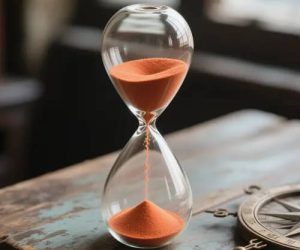
I’ve had a 15-minute hourglass on my desk for about two years now. It started as decoration. It became something I use every single day — and not just for fun.
Why Hourglasses Are Having a Design Moment
There’s a certain irony to the hourglass’s popularity at a time when we have more precise time-tracking tools than ever. Our phones, our smart watches, our computers — they all track time down to the second.
But precision isn’t always what we need.
An hourglass is imprecise by design. It doesn’t count minutes — it lets you feel them. Watching sand flow is a fundamentally different relationship with time than watching a digital countdown.
And that’s the point.
The Desk Timer Trick
I got the hourglass idea from a productivity article I read years ago. The suggestion: use a 15-minute hourglass instead of your phone timer for focused work.
My first reaction was skepticism. Why would I use something less accurate when my phone is right there?
Here’s why: picking up your phone to start a timer is a commitment. There’s always the risk — which becomes reality more often than not — that you open a notification, then another, then you’re doom-scrolling for twenty minutes.
An hourglass doesn’t have notifications. It doesn’t buzz. It just sits there, being a hourglass, until the sand runs out. Then you flip it.
Since switching, I’ve noticed my focused work sessions are more continuous. There’s something almost meditative about the physical act of flipping the hourglass at the start of a task.
Beyond the Desk
The hourglass has migrated around my apartment more than any other object I own.
In the bathroom: 15 minutes on the hourglass is a much more pleasant way to manage shower time than the phone timer. By the time the sand runs out, I’m usually done anyway.
In the kitchen: timing pasta or eggs. Not as precise as a kitchen timer, but more charming.
In a child’s room: getting kids to understand “how long is brush your teeth” is hard. A 2-minute hourglass makes it a game instead of a negotiation.
What to Actually Buy
Size matters more than you’d think. Too small and it’s decorative but not useful (too hard to see from across the room). Too large and it’s intrusive.
15cm (6 inches) is the sweet spot for most uses. Visible enough to catch your attention, not so large it dominates a desk.
Sand color is worth thinking about. White sand in clear glass is classic. Colored sand — blues, greens, warm earth tones — adds personality but can date faster. Natural white sand is always safe.
Base material: wood bases are stable and look premium. Glass bases are beautiful but tip over more easily. If you have kids or pets, lean toward wood.
A good hourglass, taken care of, will last decades. This isn’t a purchase you make twice.