

Glass Vases: The Unsung Hero of Every Room They Enter
Most people don’t think about vases until they receive flowers. Then they use whatever container is nearby — a water bottle, a coffee mug, a pot — and the flowers end up looking slightly lost.
A proper vase changes this completely. And among vase materials, glass stands alone for most living situations.
Why Glass Vases Win in Most Spaces
Opaque vases — ceramic, metal, clay — are statement pieces. They’re part of the room’s design whether there’s something in them or not. That’s great when you want a vase to be part of the decor, but it also means they’re harder to move or repurpose.
Glass vases are more flexible. They’re present when you put something in them, and invisible when you don’t. A glass vase sitting empty on a shelf doesn’t demand attention. Put one stem in it, and suddenly it comes alive.
This makes glass the most versatile vase material for most people. You can use the same vase for fresh flowers one week, dried branches the next, and as a standalone decorative piece the week after that.
The Plant Angle (That Most Vase Guides Skip)
Glass vases aren’t just for flowers.
Put a snake plant cutting in one — the glass lets you see the root development, which is genuinely interesting if you’ve never watched roots grow. The glass contains the water and the plant stays upright.
Fill a wide glass vase with river stones and push succulent cuttings into the stones. The stones hold everything in place, the glass shows the arrangement from all angles, and the succulents root over time.
Even using a glass vase as a pencil holder on a desk — that’s a valid use. Pens and pencils look surprisingly elegant in a clear glass vase.
Choosing the Right Glass Vase
Shape matters more than you’d think. Here are the main categories:
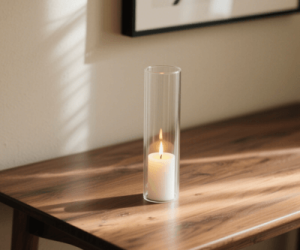
Tall and narrow: Best for single stems with long stems — branches, tall grasses, amaryllis. Not great for short stems (flowers flop over the edge).
Wide and short: Good for hydrangeas, roses, any compact arrangement. Also works well for stones or other non-plant decorative elements.
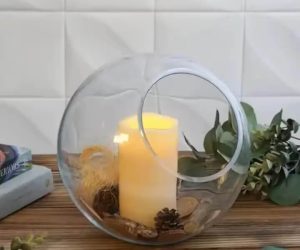
Round or spherical: The most forgiving shape. Works for almost anything and looks good in most spaces. This is usually the best starting point if you’re buying your first real vase.
The Visibility Factor
One practical advantage of glass that nobody talks about: you can see the water level and water quality. This matters more than it sounds.
In an opaque vase, you can’t see when the water is getting murky. In a glass vase, you know exactly when to change the water — which keeps flowers lasting significantly longer.
Forgot to change the water for a week? If it’s glass, you at least had a chance to notice. If it’s ceramic, you’re finding out when the flowers start to smell.
Getting Started
If you’re building a vase collection from scratch, here’s what I’d suggest:
One round glass vase, about 15cm in diameter. Versatile, forgiving, works with almost any arrangement.
One tall narrow vase, at least 30cm tall. For branches, long stems, and anything architectural.
One medium vase with a wide opening, about 20cm tall. For kitchen herbs (basil, mint) or as a catch-all for pens and desk items.
Three vases. Almost any room can use three vases. Start there.