

Glass Domes: Underused Home Decor That Actually Deserve the Hype
Glass domes — also called bell jars or cloches — have been around for centuries. Museums use them to protect artifacts. High-end restaurants use them to plate desserts. Interior designers have been using them in homes for years.
But for most people, glass domes are still one of those “I know what that is but I’ve never thought about putting one in my home” objects.
That changes after you actually start using one.
What Makes a Glass Dome Work
A glass dome creates a small, enclosed world.
Inside that world, you can put almost anything: a candle, a plant, a collection of small objects, a decorative arrangement. The dome contains it, protects it, and — because it’s glass — displays it beautifully from every angle.
The enclosed space matters for practical reasons too. A candle under a dome burns more evenly because the airflow is limited. A plant under a dome retains humidity. Dust doesn’t settle on what’s inside.
But the main thing a dome does is elevate. Almost anything inside a glass dome instantly looks more intentional. More curated. More like something you specifically chose to display.
The Candle Hack (That Actually Works)
This is the entry point for most people, and it’s a good one.
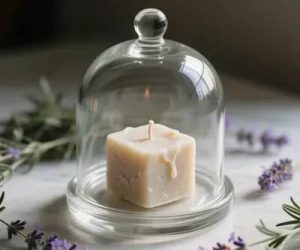
Put a scented candle inside a glass dome with a base. The dome traps the fragrance, making the scent last longer between burns. When you light the candle, the enclosed space creates a more intense aromatic experience than an open candle would.
Practical and aesthetic. That combination is why this hack has spread so widely — it actually works, not just because it looks good.
The Terrarium Angle
Miniature terrariums inside glass domes are having a moment. Moss, small ferns, air plants — these don’t need soil to survive, and they thrive in the humid environment a closed dome creates.
Set up correctly, a dome terrarium is self-sustaining. The plants photosynthesize, release moisture, the moisture condenses on the glass and falls back to the soil. You might need to add a tiny bit of water once a month.
This is as close to “zero maintenance plant” as you can get while still having something alive and growing.
Dome + String Lights = Magic
This is the one I keep coming back to.
A small string light set — the tiny battery-powered kind — arranged inside a glass dome on a wooden base. Turn off the lights, turn on the lights inside the dome.
What you get is a small glowing world. A lamp that feels handmade, personal, and genuinely beautiful. Photos don’t do it justice. You have to see it in person.
What to Look For When Buying
Height: Make sure there’s enough clearance for what you want to put inside. If you’re putting a candle under it, you need at least 5cm (2 inches) of headroom above the flame.
Base: Heavy bases (wood, marble, concrete) are harder to knock over. Thin metal bases often look great in photos but feel flimsy in person.
Glass quality: Look for uniform thickness, no visible bubbles or seams. The glass should be optically clear — slight greenish tint is normal for most glass, but avoid anything with obvious distortion.
Getting Started
If you’re new to glass domes, start simple. A medium-sized dome (20-25cm diameter, 25-30cm height) with a wooden base, containing a simple pillar candle.
Live with it for a week. Notice how the light changes through the day. Then decide if you want to go deeper into the world of domes.