

Glass Decor is Having a Moment — Here’s Why Designers Can’t Stop Recommending It
Open any interior design magazine right now, or scroll through any design-focused corner of the internet, and you’ll notice something: glass decor is everywhere.
Not just “present” — everywhere. In living rooms, offices, hotel lobbies, restaurant tables. Glass candle holders, glass domes, glass vases, glass everything.
This isn’t accidental. There’s a design logic behind it.
Why Glass is Having Its Comeback
The past few years of interior design have been dominated by a certain aesthetic: matte black metals, dark woods, plenty of “warm neutrals.” Beautiful, but intense. Spaces started feeling like magazine spreads rather than places people actually lived in.
Glass cuts through that intensity without trying too hard.
It’s transparent. Light passes through it. A room doesn’t feel smaller with a glass object in it — which is more than you can say about most decorative pieces. This makes it uniquely suited to smaller spaces, or to rooms that already have a lot going on visually.
And there’s something about the way glass interacts with natural light that’s hard to replicate. A glass object near a window becomes part of the light itself.
The Mixing Trend: Glass + Everything
The most interesting design moves happening with glass right now involve combinations:
Glass + metal: Brass, black iron, brushed nickel. The metal gives the glass a stage to stand on, and the glass keeps the metal from feeling too heavy.
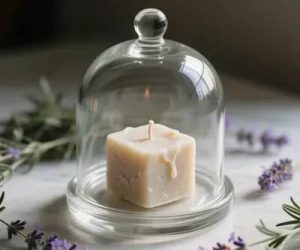
Glass + wood: A wooden base under a glass dome, or a glass vase on a wooden shelf. The warmth of wood tempers glass’s coolness. This pairing feels especially at home in Scandinavian and Japanese-inspired spaces.
Glass + marble: Luxury without the opulence. White marble with clear glass is a combination that works in everything from minimalist apartments to more-is-more maximalist living rooms.
Where to Start If You Want In
Don’t go out and buy a dozen glass pieces. That’s how you get a glass shop, not a home.
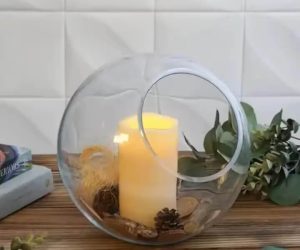
Start with one: a single glass sphere candle holder on your coffee table. See how it feels. Watch how the light changes through the day.
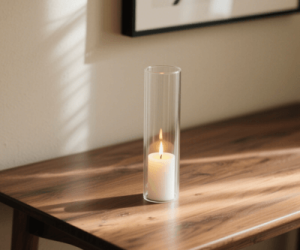
Then add based on what feels missing. A shelf needs something? A tall glass vase with a single dried branch. Dining table needs a centerpiece? Three glass candle holders in varying heights.
The rule: less is more, until it feels like not enough, then add one more piece.
What Makes Glass Look Cheap (And How to Avoid It)
Thin glass with visible seams or bubbles is the tell. Quality glass is uniform — you might see slight variations in thickness, but no rough edges or air pockets.
When shopping online, check the reviews carefully. Sellers use beautiful photography that hides a lot. Look for reviews that mention the actual weight and thickness.
Metal bases deserve equal scrutiny. A beautiful glass dome on a flimsy, cheap-looking base will ruin the whole effect.
Start with one piece. Live with it. See how it makes you feel. That’s the only real test that matters.