

How to Make a Corner of Your Home Feel Finished (Without Buying Much)
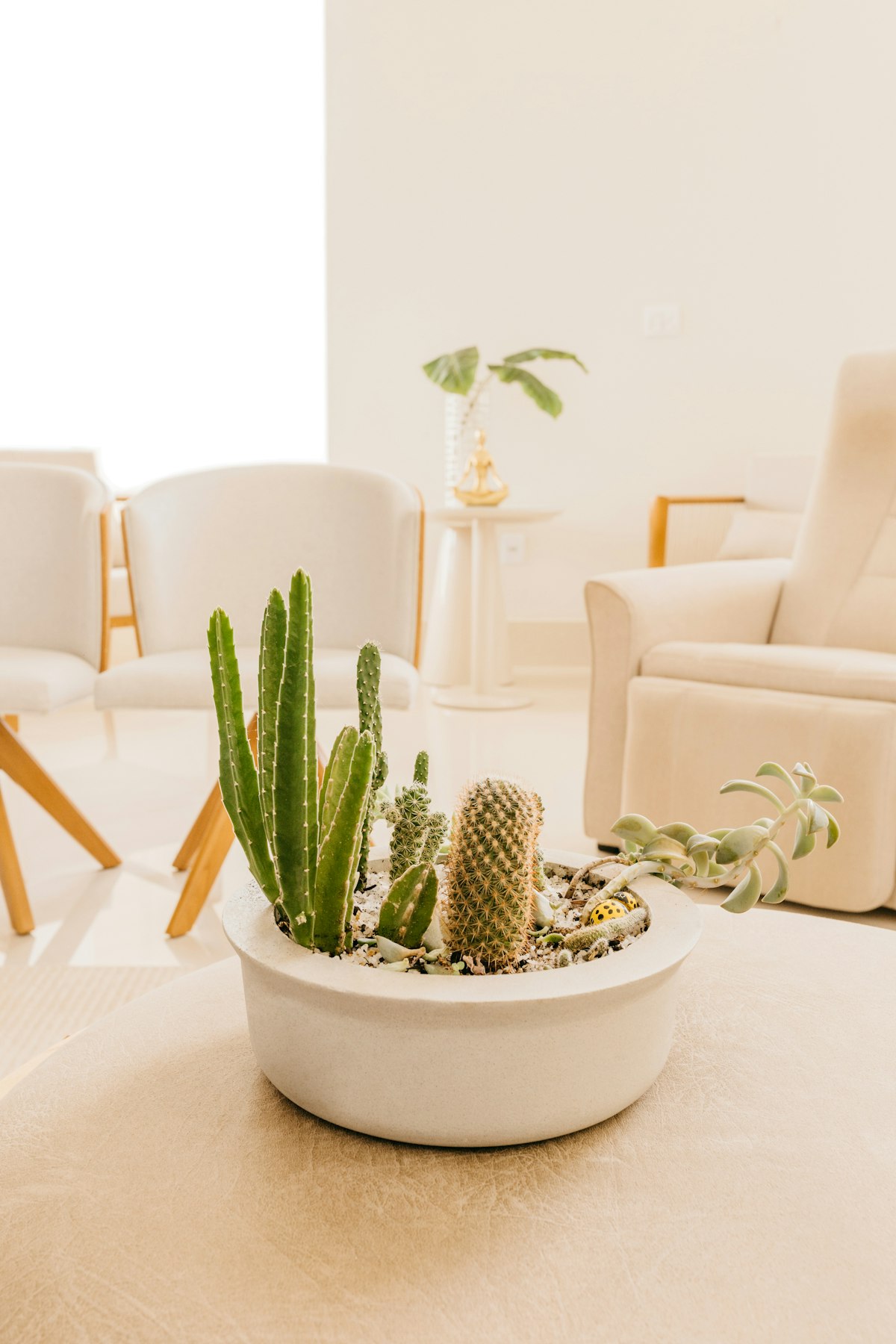
Every home has them: the corners that never quite come together. The spot by the door that’s always empty. The wall beside the bookshelf that feels unfinished. The end of the couch that looks “off.”
These spots don’t need big changes. They need the right single object.
Here’s the approach that works: one vase, one plant, one piece of glass, and some intention.
The Anatomy of a Finished Corner
A corner feels unfinished when it’s all negative space and no focal point. There’s nothing to land on, nothing to explain why this part of the room exists.
You don’t need furniture. You don’t need a major purchase. You need one object that belongs there — that answers the question “why is this space here?”
Glass works well for this because it’s versatile enough to go almost anywhere, and transparent enough not to add visual clutter to an already tight space.
The Formula That Almost Always Works
One tall object + one short object + a surface to hold them.
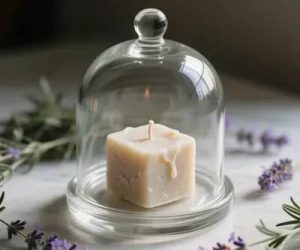
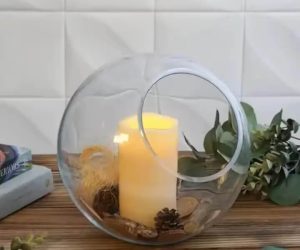
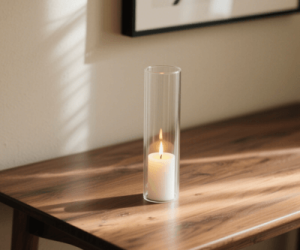
A tall glass vase (60cm or taller) in the corner, with one dried branch or tall grass. Next to it, on a small side table or stool, a short glass object — a candle holder, a small dome, a round vase with something compact.
The combination creates visual interest across different heights. The eye has somewhere to travel.
Where This Works in Practice
By the front door: A tall vase by the door (inside or just outside) is both welcoming and practical. Inside: dried flowers or branches that don’t need water. Outside: a lantern-style glass candle holder that can handle the weather in a covered area.
Beside a bookshelf: Bookshelves often have awkward vertical space beside them. A tall glass vase fills this without looking like you put a vase there just to fill space.
At the end of a long hallway: This is an unused opportunity in most homes. A tall vase with an interesting branch or dried arrangement creates a sense of destination.
Next to a low couch: If your couch has a clear end table, add one tall and one short glass piece. The combination draws the eye and makes the seating area feel more complete.
The “What Goes in the Vase” Decision
Fresh flowers: Nice but require maintenance. Not ideal for out-of-reach spots or for people who travel frequently.
Dried branches: My default recommendation. They look interesting, require zero maintenance, and last indefinitely. Dried eucalyptus, preserved ruscus, or interesting branches from outside (if you know what you’re looking at) all work.
Reeds or grasses: Pampas grass, bunny tail grass, dried lavender — these add texture and movement and smell good.
Forced bulbs: Paperwhites, amaryllis — these grow in water alone and add an unexpected living element without soil.
The One Rule
Don’t overfill. This approach only works if the objects feel intentional. A corner with too many things in it feels busier than a corner with nothing. Start with one vase, one branch. See how it feels after a day or two. Then decide if something else is needed.
Most of the time, one thing is enough.